 Save to Pinterest
 My neighbor knocked on the kitchen door one chilly afternoon with a bag of carrots from her garden, their tops still dusty with soil. She mentioned ginger offhandedly, like it was the obvious pairing, and that simple suggestion turned into something I've made dozens of times since. There's something about the way carrots transform in the pot—from firm and bright orange to yielding, their sweetness intensifying as they soften. The ginger doesn't compete; it whispers through every spoonful, warm and alive.
I made this for my partner on a gray Sunday when they were under the weather, nothing serious but enough to want something gentle and warming. They fell asleep after a bowl with their head against the kitchen window, and I found myself just standing there, pleased in that quiet way you feel when food does what it's supposed to do. Since then, it's become our default comfort in a bowl.
Ingredients
- Olive oil: A tablespoon is all you need to start the flavor foundation; it keeps the whole dish light and lets the vegetables shine.
- Medium onion: Don't skip this even though it seems invisible once blended, it adds depth that makes people ask what your secret is.
- Garlic cloves: Two cloves is restrained on purpose; you want the ginger to be the star, not buried under garlic.
- Carrots: A kilogram sounds like a lot but they shrink dramatically, and this quantity guarantees a proper silky texture when blended.
- Medium potato: Completely optional but worth adding if you like a thicker, more substantial soup that coats the spoon.
- Fresh ginger: This is where the magic lives; grated rather than minced because the fibers blend more smoothly and dissolve into the soup.
- Vegetable broth: The base that carries everything, use something you'd actually drink on its own because you taste it in every bite.
- Water: Keep it nearby for adjusting consistency; soup is forgiving about thickness once it's blended.
- Salt and pepper: Save these for the end when you can taste what you're actually seasoning.
- Lemon juice: The small brightness that prevents the soup from tasting flat or one-dimensional.
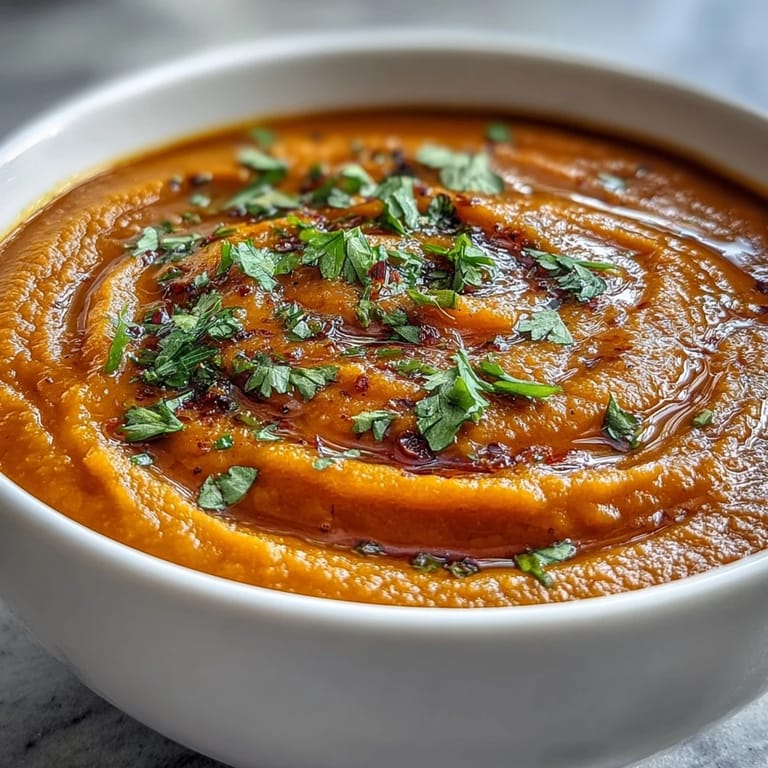
- Fresh coriander or parsley: Scattered on top just before serving, it adds a visual pop and a fresh finish.
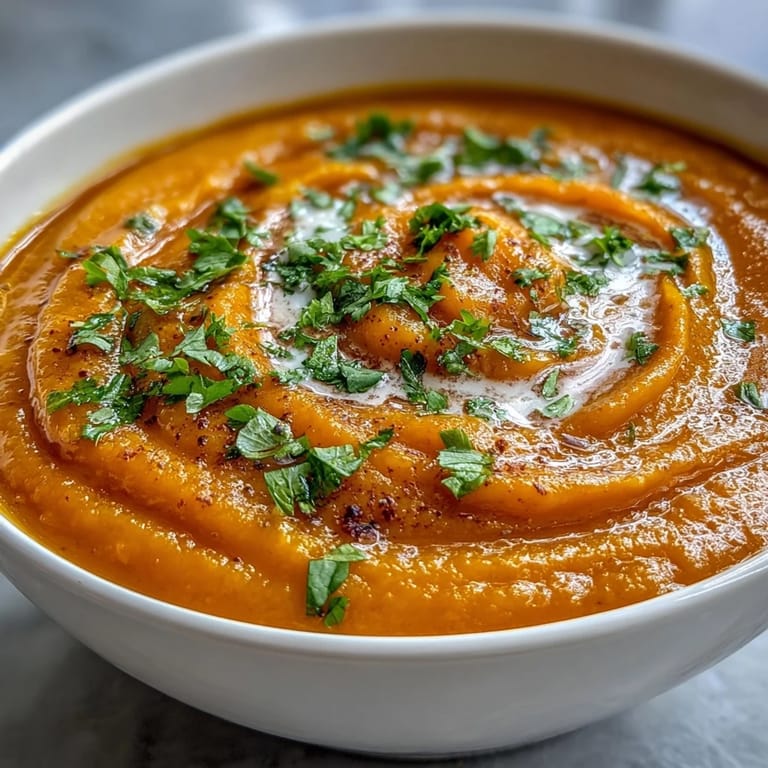
- Coconut cream or yogurt: Optional but worth having on hand; a drizzle changes the whole mood of the bowl.
Tired of Takeout? 🥡
Get 10 meals you can make faster than delivery arrives. Seriously.
One email. No spam. Unsubscribe anytime.
Instructions
- Warm the oil and soften the onion:
- Heat olive oil in your pot over medium heat until it shimmers slightly, then add the chopped onion. You'll know it's ready when the edges become translucent and it softens under the wooden spoon, usually about four minutes. Listen for the gentle sizzle; it should sound quiet and steady.
- Wake up the aromatics:
- Stir in the minced garlic and grated ginger, keeping the heat the same and stirring constantly for about a minute. The kitchen will smell almost immediately like something special is happening, and that's your signal you're on the right track.
- Add the vegetables:
- Pour in the carrots and potato if using, stirring everything together so each piece gets coated in the fragrant oil. Let them cook untouched for a few minutes, then stir occasionally; this brief cooking starts breaking down the vegetables before the broth goes in.
- Simmer into tenderness:
- Pour in your vegetable broth, turn the heat up to bring it to a boil, then lower the heat and cover the pot. Let it simmer for twenty to twenty-five minutes; the carrots will go from firm to yielding, and the potato will disappear into creaminess if you included it.
- Blend into smoothness:
- An immersion blender is easiest here—just stick it in the pot and blend until the soup is completely smooth with no flecks of carrot visible. If you're using a countertop blender, let the soup cool slightly, blend in batches being careful of the hot liquid, then pour everything back into the pot.
- Season with intention:
- Add water to get the consistency you want, then taste before you add salt and pepper. A squeeze of lemon juice comes last and brightens everything; you should taste the ginger and carrot first, then feel the ginger warmth linger.
- Serve with care:
- Ladle into bowls and let each person choose their own garnish; a small handful of fresh herbs and maybe a swirl of cream if they're interested makes everyone feel like they're in control.
 Save to Pinterest
 There was a moment during a dinner party when someone asked if I'd used cream, genuinely surprised when I said no. That small question made me realize how a straightforward vegetable soup could feel indulgent simply by being blended until it's velvety and seasoned with attention. The carrots had done all the heavy lifting; I'd just listened to them.
Why Ginger Matters Here
Ginger is warming rather than hot, which means it complements carrots instead of competing with them. When you grate it fresh instead of reaching for powdered, the flavor is brighter and more alive, and it doesn't leave that dusty feeling on your palate. The amount in this recipe is deliberately measured because ginger can easily take over a delicate soup if you're not careful.
Making It Your Own
The beauty of this soup is that it's a starting point rather than a rigid formula. I've added a pinch of cayenne when I wanted something spicy, stirred in coconut milk instead of cream when I needed richer, and even swapped sweet potatoes for regular ones when that's what I had on hand. Each version tasted distinctly itself while staying recognizable as the same soup.
- A handful of toasted seeds scattered on top adds texture and makes it feel more complete as a light meal rather than just a starter.
- Serve it with good bread; the soup is light enough that something crusty alongside turns it into actual dinner.
- It keeps well in the fridge and freezes beautifully, so make a double batch when you have the time.
The Practical Details
This soup sits comfortably in the easy category of cooking, which doesn't mean boring; it means you have room to pay attention to what you're doing rather than juggling multiple complicated steps. The longest part is simply letting the carrots simmer until they're completely soft, and even that doesn't require hovering.
 Save to Pinterest
 Make this soup when you want something that tastes like you tried harder than you actually did. It's the kind of cooking that reminds you why home food matters.
Recipe Questions & Answers
- → Can I freeze this soup?
Yes, this soup freezes beautifully for up to 3 months. Let it cool completely before transferring to airtight containers. Thaw overnight in the refrigerator and reheat gently on the stove.
- → How can I make it creamier?
Add a potato during cooking or blend in some coconut cream. For a dairy option, swirl in Greek yogurt or heavy cream after blending. You can also use an immersion blender for extra smoothness.
- → What can I serve with this soup?
Crusty bread, toasted pumpkin seeds, or a side salad make perfect accompaniments. For a heartier meal, pair with a grilled cheese sandwich or serve over cooked quinoa.
- → Is it suitable for meal prep?
Absolutely. This soup keeps well in the refrigerator for 4-5 days. Make a batch on Sunday and enjoy throughout the week. The flavors actually develop and improve after a day or two.
- → Can I use powdered ginger instead of fresh?
Fresh ginger provides the best zesty flavor, but you can substitute 1 teaspoon ground ginger if needed. Add it with the other spices and reduce slightly as powdered ginger is more concentrated.
- → How do I adjust the consistency?
Add more water or broth for a thinner version. For thicker soup, use less liquid initially or add more potato. The potato naturally thickens without needing cream or flour.