 Save to Pinterest
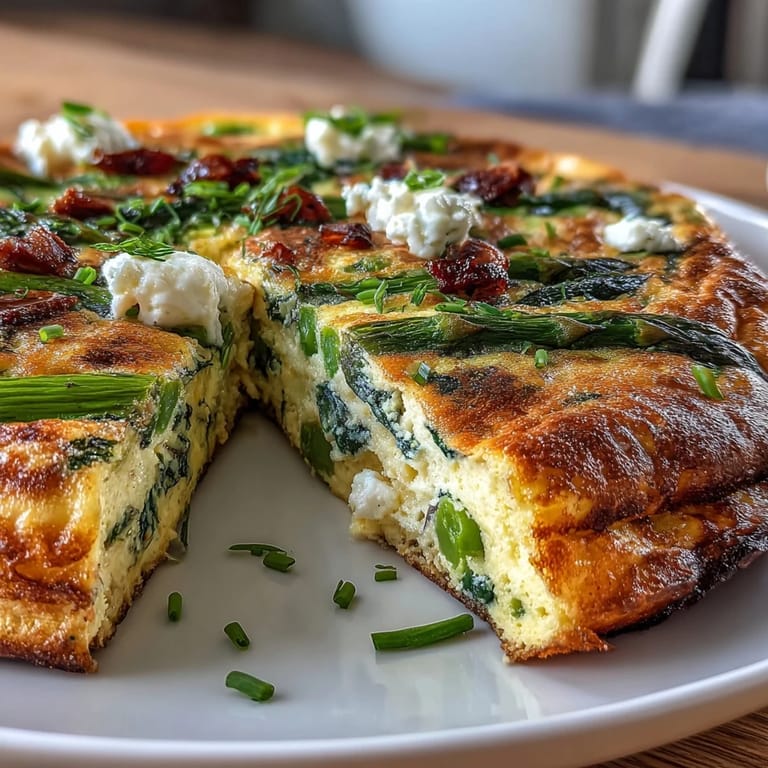
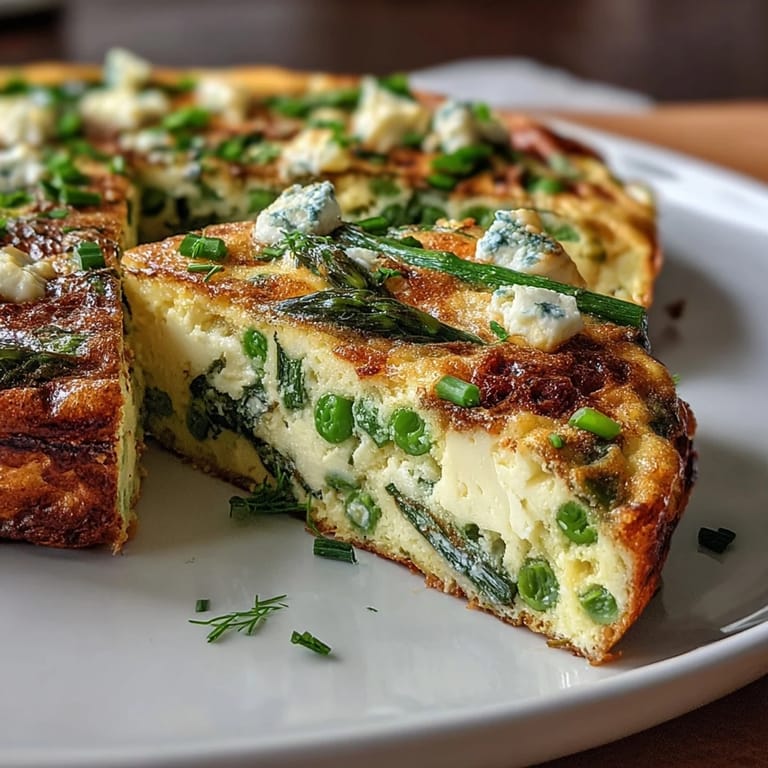
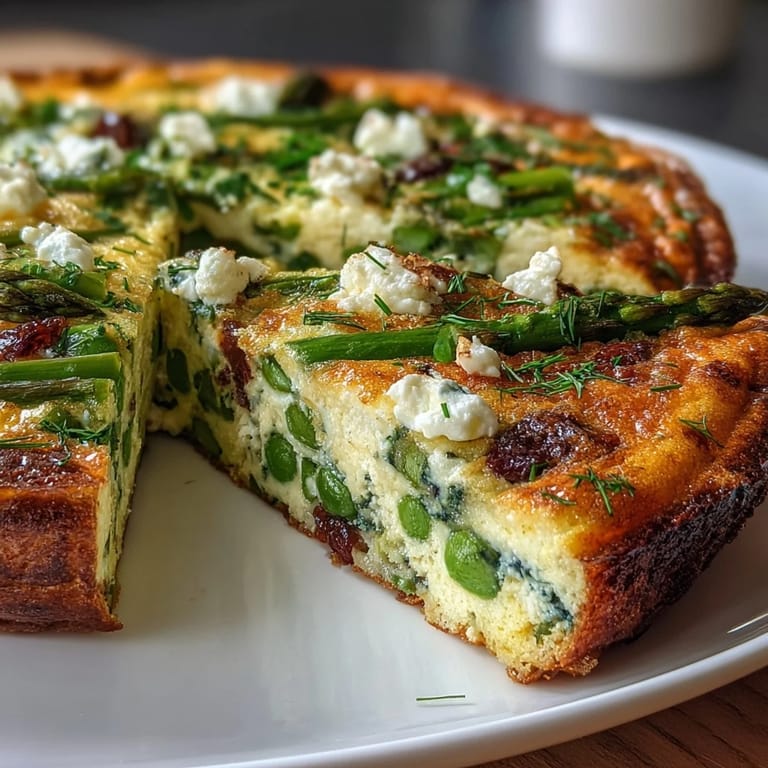
 The sound of spring rain tapping gently against the kitchen window made me reach for the freshest vegetables I could find, and a frittata always feels like the right answer. There’s something about mixing crisp asparagus and sweet peas with creamy goat cheese that gives a room such an inviting aroma. Last year, I tried this recipe on a whim when the market was overflowing with produce, and it quickly became a celebration of the season. Whisking eggs while sunlight slips through green leaves feels as much a ritual as a recipe. Each time, the frittata comes out bright and light, capturing the best of spring mornings.
I once brought this frittata to a brunch with friends, and halfway through slicing it, the room filled with laughter—someone wondered aloud if we’d ever find a recipe that felt both fancy and forgiving. We all agreed that anything cooked in a single skillet as easily as this deserved a permanent place in the brunch rotation. It ended up pairing perfectly with sparkling water and homemade bread, and everyone came back for seconds.
Ingredients
- Asparagus: Look for tender stalks—snap off the ends to avoid woody bits, and slice them evenly for a more harmonious texture.
- Fresh or frozen peas: Use fresh if possible; frozen peas work, but toss them straight from the freezer to preserve their pop.
- Baby spinach: Roughly chop so the greens wilt quickly without releasing too much water—less sogginess, more flavor.
- Spring onions: Thin slicing lets them melt into the frittata, adding a gentle, oniony lift that doesn’t overpower.
- Eggs: Crack each one confidently—if you ever drop shell pieces, fish them out with a bigger shell (it really works).
- Whole milk or cream: This is your ticket to fluffy, tender eggs, so don’t skip unless you’re going dairy-free.
- Goat cheese: Crumble it gently; scatter for pockets of tang that make every bite interesting.
- Unsalted butter: Adds richness—let it melt slowly so the pan’s surface is slick but not browned.
- Fresh chives: Chop just before using for a burst of herbal brightness.
- Fresh dill or parsley: Try both; dill brings lightness, parsley adds freshness, either one wakes up the frittata.
- Salt and freshly ground black pepper: Taste as you go; seasoning is the secret handshake between all the flavors.
Tired of Takeout? 🥡
Get 10 meals you can make faster than delivery arrives. Seriously.
One email. No spam. Unsubscribe anytime.
Instructions
- Preheat the oven:
- Set your oven to 375°F (190°C) so it’s ready to finish cooking the frittata after the stovetop is done.
- Sauté the veggies:
- Melt butter in your oven-safe skillet and add asparagus—hear the sizzle, stir gently. After two minutes, add peas and spring onions, then toss in the spinach until it wilts and the greens smell fresh.
- Whisk the eggs:
- While the veggies cook, whisk eggs, milk or cream, herbs, salt, and pepper together until the mixture is light and frothy.
- Combine and cook:
- Pour the egg mixture over the sautéed veggies, letting it spread evenly. Cook for 3–4 minutes; the edges will set and the center should look barely creamy.
- Add the goat cheese:
- Sprinkle the crumbled goat cheese atop, making sure it’s evenly distributed for tangy pockets throughout.
- Bake to finish:
- Transfer the skillet to the oven, bake for 10–12 minutes. The frittata should puff and gently set in the center—don’t overcook.
- Cool and serve:
- Let the frittata rest for 5 minutes after removing it from the oven, then slice and serve warm or at room temperature.
 Save to Pinterest
 On a breezy afternoon last spring, I made this frittata with my sister, and we ended up eating straight from the skillet, laughing about our messy plating. It was proof that sometimes the best meals are the simplest—especially when shared with someone who appreciates both the food and the fun moments along the way.
Making It Your Own
Some days, I toss in zucchini slices or a handful of fresh herbs from the garden, and the frittata takes on new personality. Swapping out goat cheese for feta or leaving it out entirely keeps each version interesting, especially if you’re cooking for mixed dietary needs. Remember, the base recipe is just the starting line.
Brunch Pairings That Shine
Pairing this frittata with a peppery arugula salad and crisp bread elevates the meal into something special. A glass of sparkling water with lemon or a lively Sauvignon Blanc makes the flavors sing—and brings a little sunshine to any brunch table. Don’t be afraid to play with the sides; variety is half the fun.
Quick Fixes and Last-Minute Twists
If you realize you’re out of peas or spring onions, use what’s in your fridge—leftover roasted potatoes or even cherry tomatoes can add their own spring energy. The key is not to stress about ingredients; every kitchen improvisation brings a little more personality. Stay loose, trust your taste buds, and enjoy the process.
- Let the frittata cool for easier slicing.
- Sprinkle extra herbs right before serving for fresh flavor.
- Never skip seasoning—taste before serving.
 Save to Pinterest
 Whether you’re eating this frittata on a lazy morning or sharing it for a lively brunch, it’s bound to bring a bit of spring’s freshness to your table. Enjoy every bite and make it your own.
Recipe Questions & Answers
- → Can I use frozen peas?
Yes, frozen peas work well. Thaw before adding for even cooking and bright color.
- → How can I make it dairy-free?
Use plant-based milk instead of cream and swap goat cheese for a vegan alternative or omit it entirely.
- → What other vegetables can I add?
Zucchini, fava beans, or bell peppers add extra flavor and texture. Adjust cooking times as needed.
- → Do I need an oven-safe skillet?
An oven-safe skillet is key for seamless stovetop-to-oven preparation. Use a 10–12 inch model for best results.
- → Can this be served cold?
Yes, it tastes great at room temperature or chilled, making it suitable for picnics or meal prep.
- → Is it gluten-free?
This dish is naturally gluten-free. Verify ingredient labels to avoid cross-contamination, especially with store-bought cheese.