 Save to Pinterest
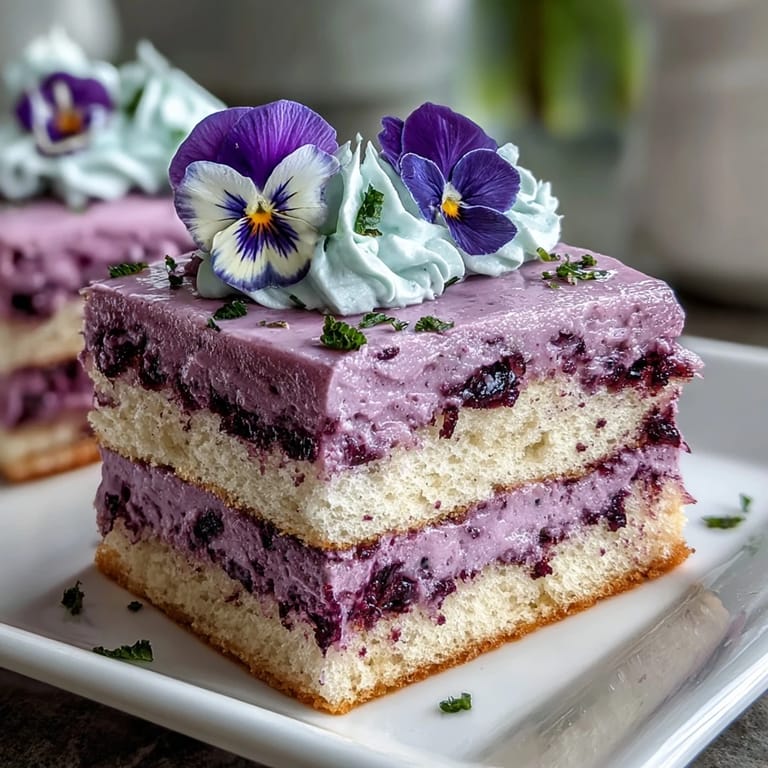
 Last spring, my neighbor stopped by with a handful of violets from her garden, still dewy from the morning, and asked if I could do something beautiful with them. I'd never worked with edible flowers before, but something about their delicate papery texture made me want to create something equally gentle. That afternoon, I baked this vanilla cake, whipped clouds of cream, and carefully pressed those flowers onto the frosting like I was preserving a secret. When she took that first bite, her eyes went soft—not because the cake was complicated, but because it tasted like spring felt.
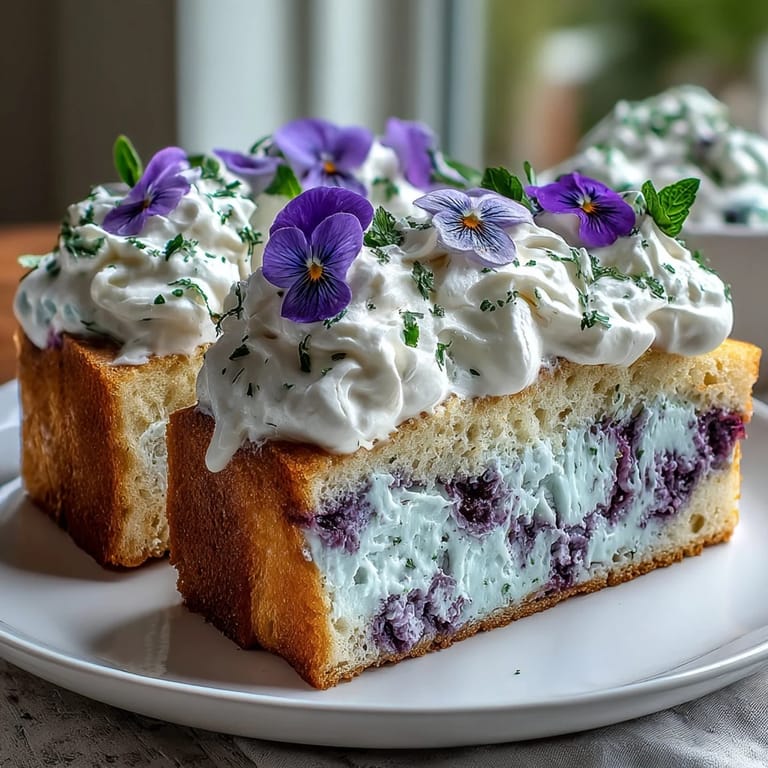
I made this cake for my daughter's engagement brunch, and something unexpected happened—the pressed pansies caught the morning light streaming through the windows, and suddenly the whole dessert table looked like a garden had bloomed there. One guest asked for the recipe just from the way it looked, before even tasting it. That's when I realized this cake does something beyond flavor; it creates a moment.
Ingredients
- All-purpose flour: The structure of this cake depends on measuring correctly—spoon and level, or use a kitchen scale for accuracy.
- Baking powder: This is what gives the cake its tender crumb, so don't skip the sifting step to distribute it evenly.
- Unsalted butter: Softened butter creams with sugar to trap air bubbles, making the cake light and fluffy.
- Granulated sugar: The granules help incorporate air as you cream; this is where the cake gets its delicate texture.
- Eggs at room temperature: Cold eggs won't incorporate smoothly and can cause lumps—let them sit out for 20 minutes before you start.
- Pure vanilla extract: Imitation extract tastes thin here; the pure kind carries a warmth that lifts the whole cake.
- Whole milk at room temperature: Cold milk can cause the batter to seize; this simple step prevents a dense result.
- Heavy whipping cream, cold: Keep your bowl and beaters chilled—this makes a difference in how quickly peaks form.
- Powdered sugar: It dissolves into the cream silently, unlike granulated sugar which can feel grainy.
- Pressed edible flowers: Press them between parchment and heavy books for at least 24 hours—rushing this step leaves them damp and fragile.
- Fresh mint leaves: Optional, but a few leaves add a quiet green note that echoes the flower theme.
Tired of Takeout? 🥡
Get 10 meals you can make faster than delivery arrives. Seriously.
One email. No spam. Unsubscribe anytime.
Instructions
- Prep your pans and preheat:
- Set your oven to 350°F and grease two 8-inch round pans with a light hand, then line with parchment so the cakes slip out effortlessly. You want everything ready before you start mixing—this cake comes together quickly once the butter and sugar meet.
- Sift your dry ingredients:
- Combine flour, baking powder, and salt in a bowl and sift them together; this aerates the flour and ensures the leavening powder distributes evenly. Don't skip this step—it's what keeps the cake tender rather than dense.
- Cream butter and sugar:
- Beat softened butter with granulated sugar until the mixture is pale and fluffy, about 3 to 4 minutes; you should hear the mixer working hard, and the butter will look almost cloud-like. This step is crucial—you're trapping tiny air bubbles that will expand in the oven and make the cake light.
- Add eggs one at a time:
- Drop each egg in separately and mix until combined before adding the next; this prevents the batter from looking separated or greasy. If it does separate, a few extra seconds of beating usually brings it back together.
- Stir in vanilla:
- Mix in the vanilla extract until you can smell it blooming through the batter. Don't overbeat at this point—you've already done the heavy lifting.
- Alternate flour and milk:
- Add the dry mixture in three additions, alternating with milk and starting and ending with flour; mix just until the streaks of flour disappear and no longer. Overmixing develops gluten, which toughens the cake and ruins the delicate texture you've been building.
- Divide and bake:
- Pour batter evenly into both pans and smooth the tops with a spatula, then slide them into the oven. Bake for 30 to 35 minutes until a toothpick inserted in the center comes out clean or with just a few moist crumbs clinging to it.
- Cool with patience:
- Let the cakes rest in their pans for 10 minutes—this prevents them from breaking—then turn them out onto wire racks to cool completely. This takes about an hour, and rushing this step means warm frosting sliding off warm cake.
- Whip the cream:
- In a chilled bowl, beat cold heavy cream with powdered sugar and vanilla until stiff peaks form; this should take 2 to 3 minutes with an electric mixer. Stop as soon as peaks hold their shape—a few seconds too long and you'll have butter.
- Layer and frost:
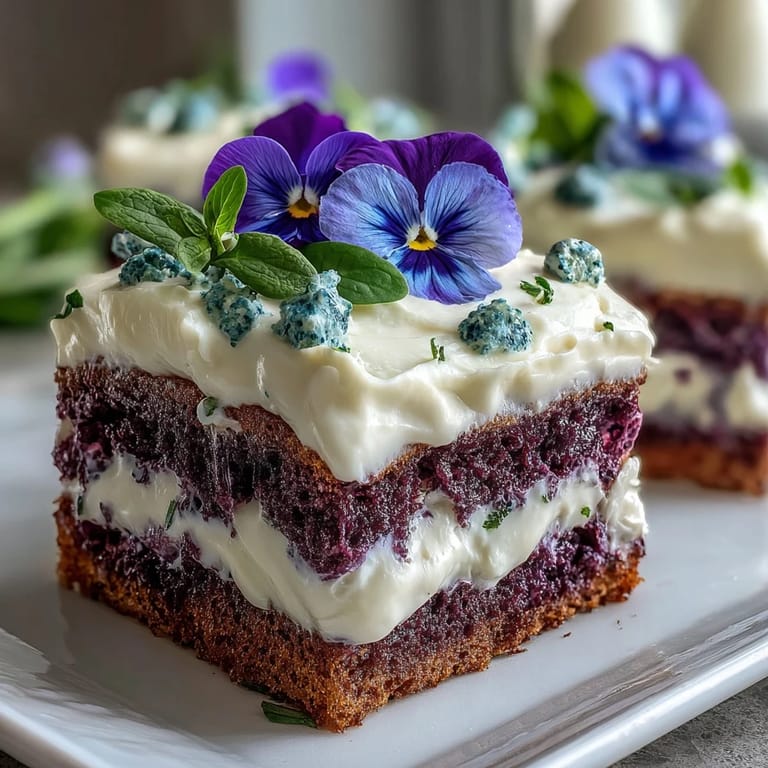
- Place one cooled cake layer on a serving plate, spread a generous layer of whipped cream on top, then place the second layer on top and frost the whole cake. Work gently and smoothly; the whipped cream is forgiving, but rushing makes it look careless.
- Decorate with flowers:
- Gently press your pressed edible flowers onto the frosted cake, arranging them where they feel balanced; add a few mint leaves if you like the contrast. This is where the cake becomes art—take your time and trust your eye.
- Chill before serving:
- Refrigerate the cake for at least 30 minutes so the frosting sets and the flowers adhere properly. This also keeps everything fresh and makes slicing cleaner.
 Save to Pinterest
 There's a moment when you press the first flower onto the frosting and see it stay put, and suddenly you're not just following a recipe—you're creating something that feels intentional and thoughtful. That's the real magic of this cake.
Sourcing Your Edible Flowers
The most important rule: only use flowers you've grown yourself or sourced from a grower you trust who never sprays pesticides. Regular florist flowers are treated with chemicals that aren't meant for eating, no matter how beautiful they look. I learned this the hard way when I once bought what I thought were edible pansies from a farmers market and found out too late they'd been sprayed with a fungicide. Now I either grow violets, pansies, and nasturtiums in a small dedicated corner of my garden, or I ask local gardeners if I can buy flowers directly from them.
The Art of Pressing Flowers
Pressing flowers looks simple but has its own rhythm and timing. Pick them early in the morning after the dew dries but before the sun gets too hot—they'll have the best color and texture. Lay them between two sheets of parchment paper, place them in a thick book or under some heavy objects, and leave them undisturbed for at least 24 hours, longer if you have time. I've found that three to four days of pressing gives the best results; the flowers become paper-thin and hold their color beautifully. Check them gently after a day to make sure they're drying evenly and not folding on themselves.
Making This Cake Your Own
The vanilla base is intentionally simple so it doesn't compete with the flowers, but there's room to adjust if you want subtle variation. Adding 1 to 2 teaspoons of lemon zest to the batter brings a brightness that pairs perfectly with rose petals or chamomile flowers. For an almond cake variation, replace 1/4 cup of flour with finely ground almond flour and add 1/2 teaspoon of almond extract along with the vanilla—this softens the crumb even more. Some bakers add a tiny pinch of cardamom for warmth, or a whisper of lavender extract, but remember that less is more when you're working with floral themes. The frosting can be flavored too: a touch of rose water or a drop of violet liqueur adds complexity without being obvious.
- A citrus zest adds brightness that echoes floral notes without competing with them.
- Almond flour creates an even more delicate crumb if you want to experiment.
- Remember that edible flowers are already contributing subtle flavor, so flavor additions should be whisper-quiet.
 Save to Pinterest
 This cake has a quiet elegance that doesn't shout; it whispers. That's what makes it perfect for moments that matter—when you want something beautiful enough to be memorable, but gentle enough to feel genuine.
Recipe Questions & Answers
- → How do I press edible flowers properly?
Place clean flowers between parchment paper and press them under heavy books for at least 24 hours to ensure they flatten and dry without discoloring.
- → Can I substitute heavy cream in the whipped frosting?
For best results, use cold heavy cream to achieve stiff peaks and a rich texture; lighter creams may not whip as well.
- → What flavors complement this vanilla layered cake?
Floral notes like chamomile or rose, as well as light citrus zest, enhance the natural vanilla and floral decorations beautifully.
- → How to prevent overmixing the batter?
Mix ingredients until just combined, especially when adding flour, to maintain tenderness and avoid a dense texture.
- → Is chilling necessary before serving?
Chilling at least 30 minutes helps the whipped cream set firmly and ensures flower decorations stay intact for a polished presentation.